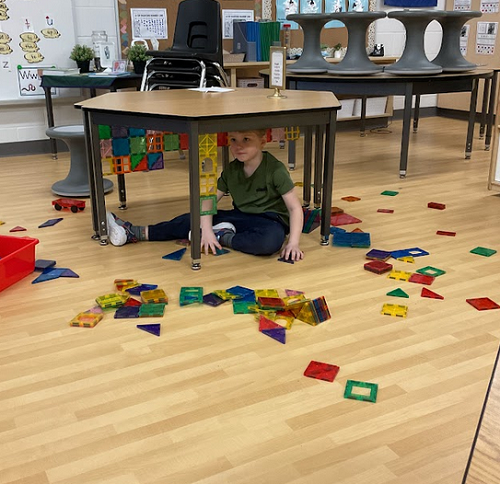
Over the past several weeks, we have observed a significant increase in the children’s curiosity and engagement surrounding animals and their habitats. This emerging interest has been evident through their conversations, questions, imaginative play, and construction experiences. As educators, we view these moments as valuable opportunities to extend learning through inquiry-based exploration and child-led investigation.
Throughout the school day, the children have been exploring different types of animals, discussing their characteristics, and learning about which animals hibernate. These discussions have supported the development of early scientific thinking, classification skills, and an understanding of seasonal changes. The children have demonstrated growing awareness that animals have specific needs and that their environments play an important role in their survival.
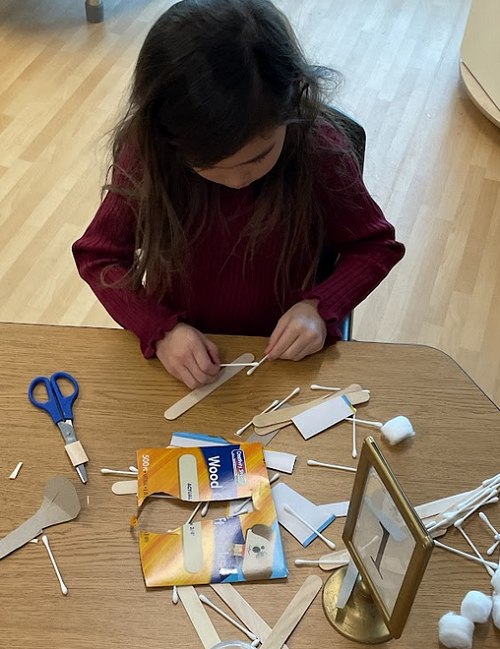
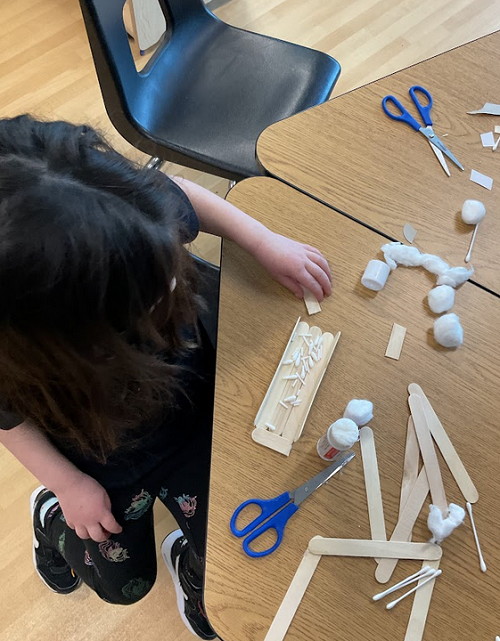
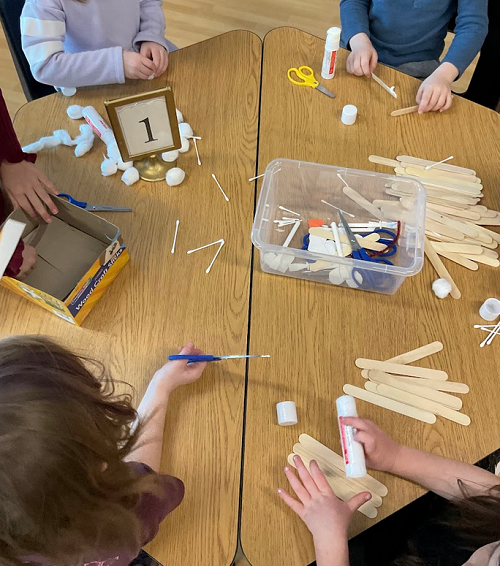
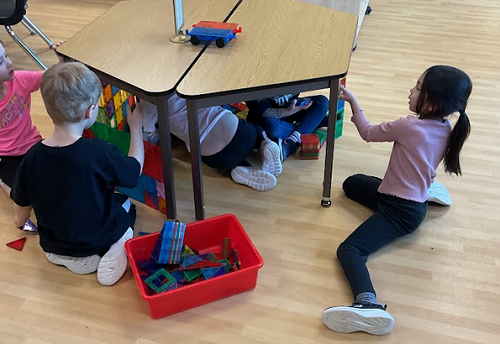
This understanding has been particularly visible during open-ended play experiences. Many children have taken the initiative to design and construct their own environments for the animals available on our classroom cart. Using blocks, loose parts, and magnetic tiles, they have collaboratively built a variety of habitats. Some children have carefully constructed forest settings for woodland animals, while others have designed imaginative human habitats under tables and within cozy classroom spaces. These experiences support spatial awareness, problem-solving, engineering skills, and cooperative learning.
Importantly, the children’s constructions reflect their developing knowledge of animal habitats. For example, Claire shared, “Look Sam! This is my forest for my birds,” demonstrating her understanding that certain birds live among trees in forest environments. Deacon explained, “This is my human habitat,” as he used magnetic tiles to design a structured living space, showing his ability to transfer the concept of habitat to human environments. These moments highlight how children are synthesizing information and expressing their understanding through play.
In response to this sustained interest, we have decided to adopt “Animals and Their Habitats” as our long-term project focus. Over the coming months, we will engage in collaborative research, hands-on investigations, literacy experiences, creative arts activities, and outdoor explorations to deepen the children’s understanding. This project-based approach will allow us to follow the children’s questions and theories while fostering critical thinking, communication, and inquiry skills.
Some of the questions guiding our exploration include:
- “Where are turtles born?”
- “How do birds make nests?”
- “How do animals know when to wake up from hibernation?”
These thoughtful questions demonstrate the children’s emerging scientific reasoning and natural curiosity about the world around them. As we move forward, we will encourage the children to form hypotheses, gather information through books and observation, document their ideas, and reflect on their discoveries. We are excited to see how this project evolves and how the children continue to build their understanding of the interconnectedness between animals and their environments.